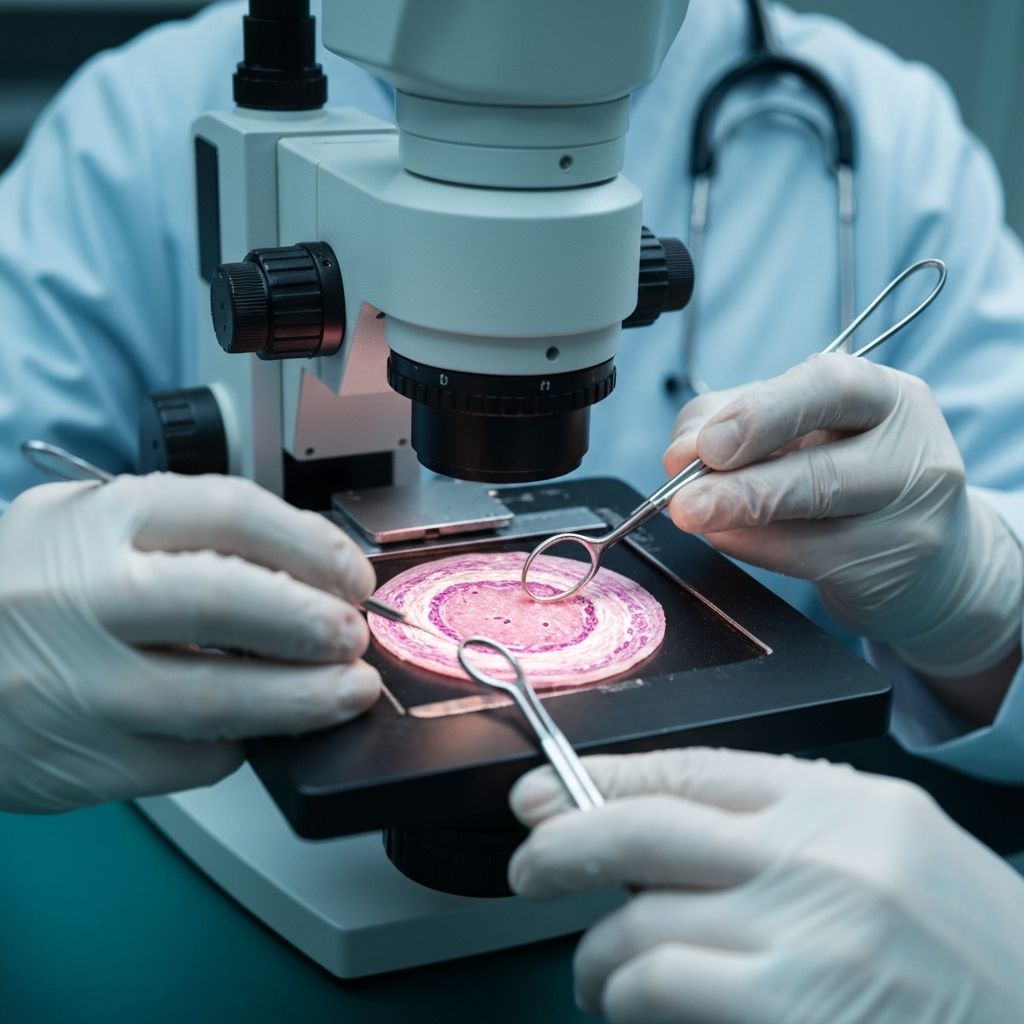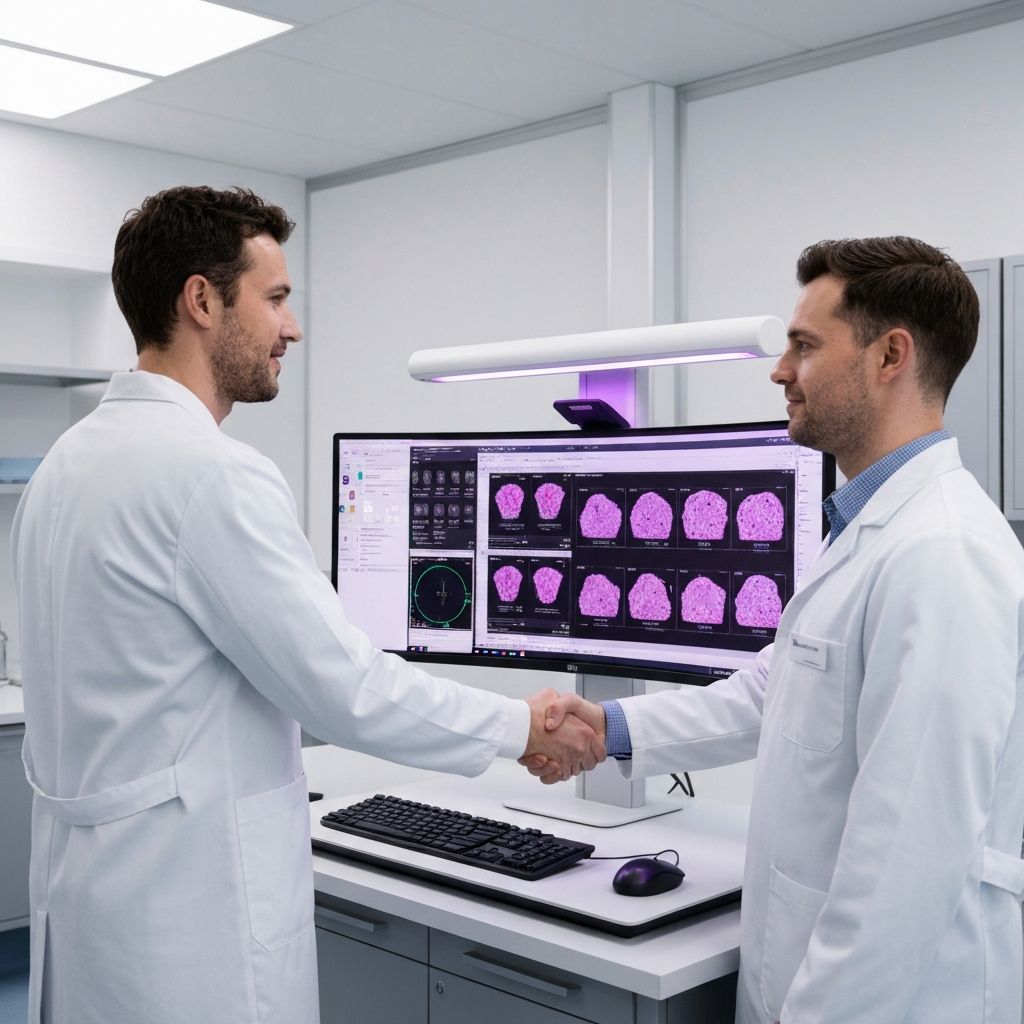
Today we are announcing a strategic partnership with one of the largest clinical laboratory networks in Western and Central Europe. Together we will deploy our AI-powered diagnostic assistants across more than fifty hospital and reference laboratories, starting with breast and gastrointestinal indications in the third quarter of 2026.
Why this matters
Pathologist demand continues to grow faster than the workforce can keep up. Reference laboratories in Europe now routinely handle case volumes that are 30 to 40 percent higher than five years ago, while the number of practicing pathologists has remained essentially flat. The result is longer turnaround times, burnout, and diagnostic inconsistency across sites.
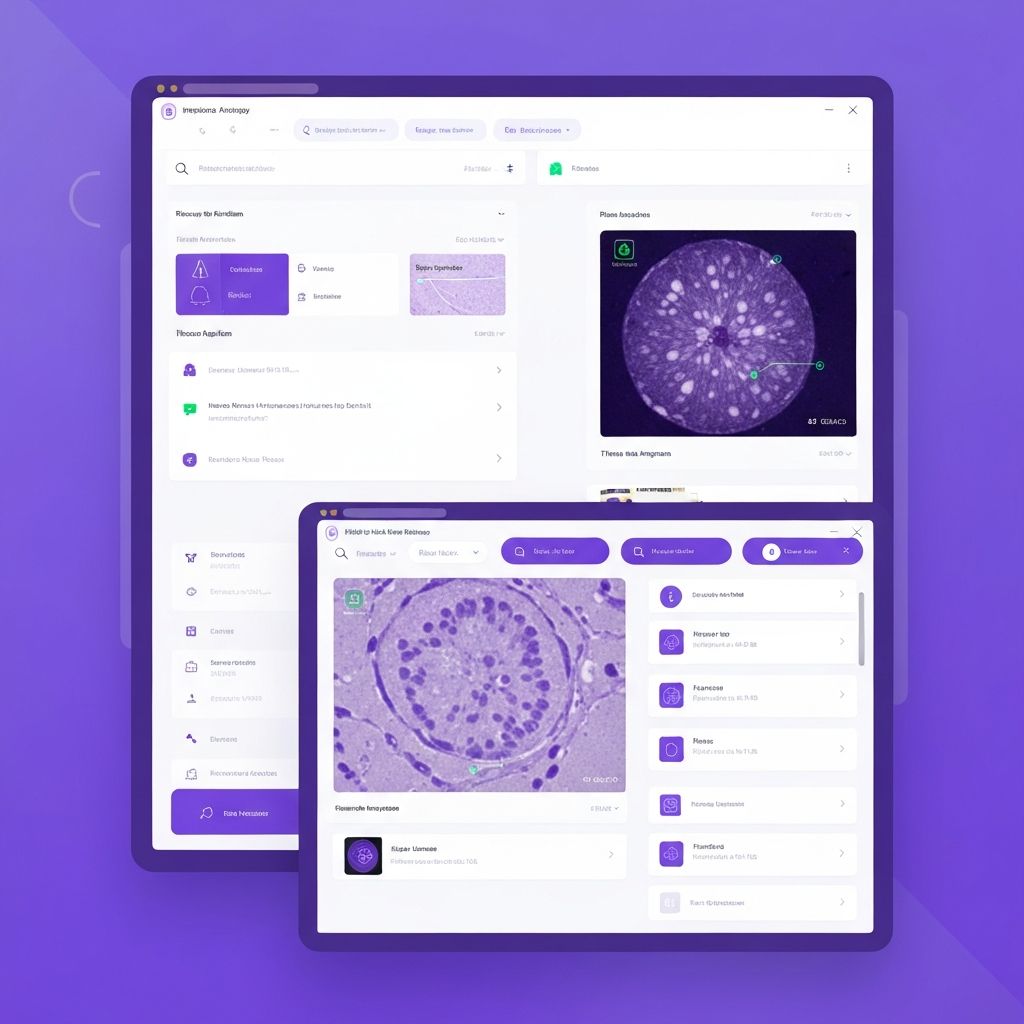
Our platform lives inside the existing laboratory information system, so pathologists receive AI-assisted pre-reads directly in the tools they already use. There is nothing new to learn, nothing new to log into, and nothing that slows the laboratory down.
The bar for AI in pathology is not whether a model is impressive in a benchmark. The bar is whether a senior pathologist would trust the result at 4 PM on a Friday. That is the product we built.
What rolls out first
- Breast cancer HER2 and ER/PR quantification with reader-assist reports.
- Gastrointestinal biopsy triage with automatic flagging of high-risk slides.
- Whole-slide quality control at the point of scan, before human review begins.
All three workflows have been validated against the partner network's historical caseload. Site-by-site validation continues through the summer, with clinical go-live staged laboratory by laboratory.