We are proud to share that our breast cancer detection algorithm has received 510(k) clearance from the US Food and Drug Administration. The clearance covers hematoxylin and eosin stained invasive ductal carcinoma detection on whole-slide images, for use as a concurrent read alongside a board-certified pathologist.
What the clearance covers
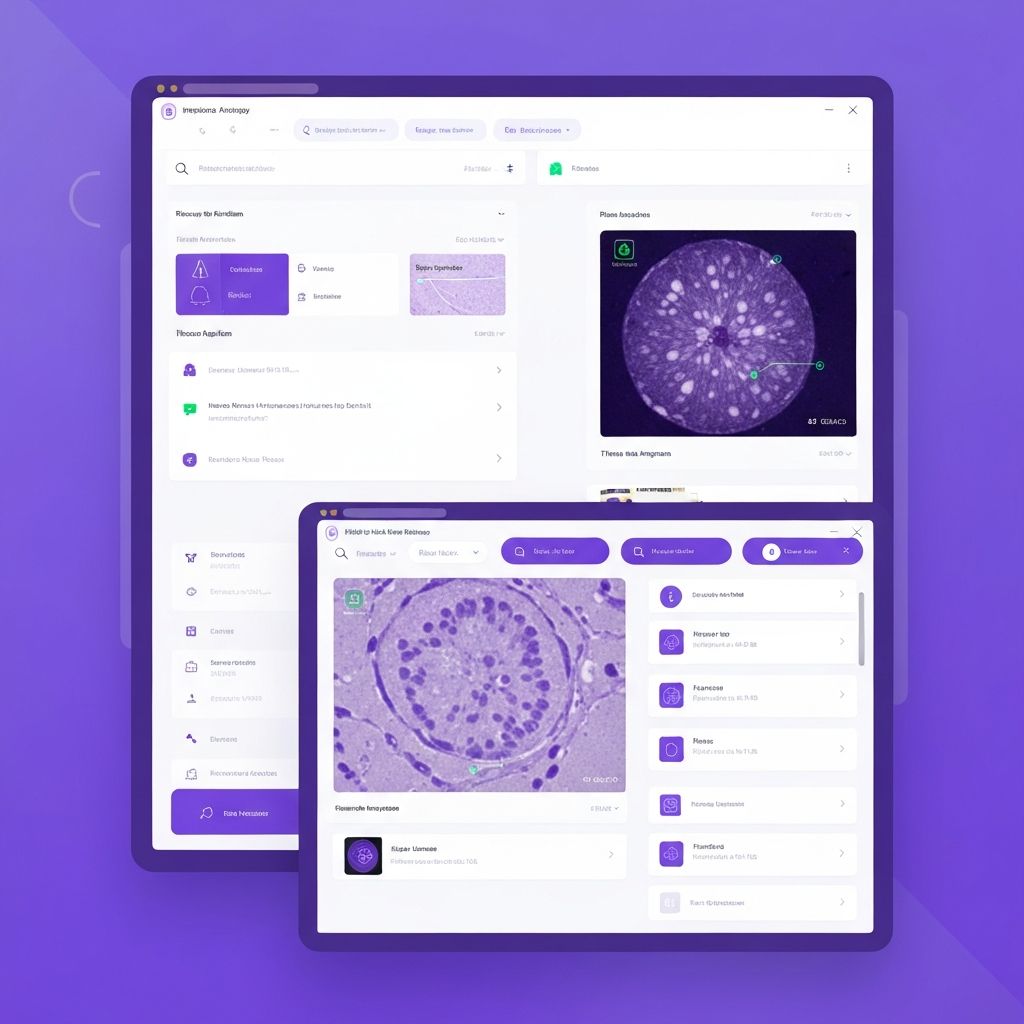
The submitted indication is narrow by design. The algorithm runs on full resected specimens, it produces a heatmap plus a per-slide probability, and it is cleared strictly as concurrent read. It does not replace a pathologist and it does not issue an autonomous diagnosis. This is exactly the bar we intended to clear.
Performance was validated on a geographically and demographically diverse cohort of more than four thousand cases pulled from six independent US sites. Sensitivity came in at 98.2 percent and specificity at 94.7 percent in the pivotal study, with sub-group performance tracked across age, race, tissue preparation, and scanner model.
Why we went for concurrent read
Reader studies show that concurrent-read AI is the sweet spot for current-generation pathology models. Pathologists stay fully in control, catch algorithm mistakes more easily, and their combined accuracy exceeds either of them alone. It is a safer place to deploy, and we believe it is where real-world clinical value is delivered today.
Clearance is not the finish line. It is the starting line for the much harder work of clinical integration.
US commercial availability begins in Q3 2026 through our existing enterprise accounts. Laboratories interested in early deployment can reach out to our clinical team.