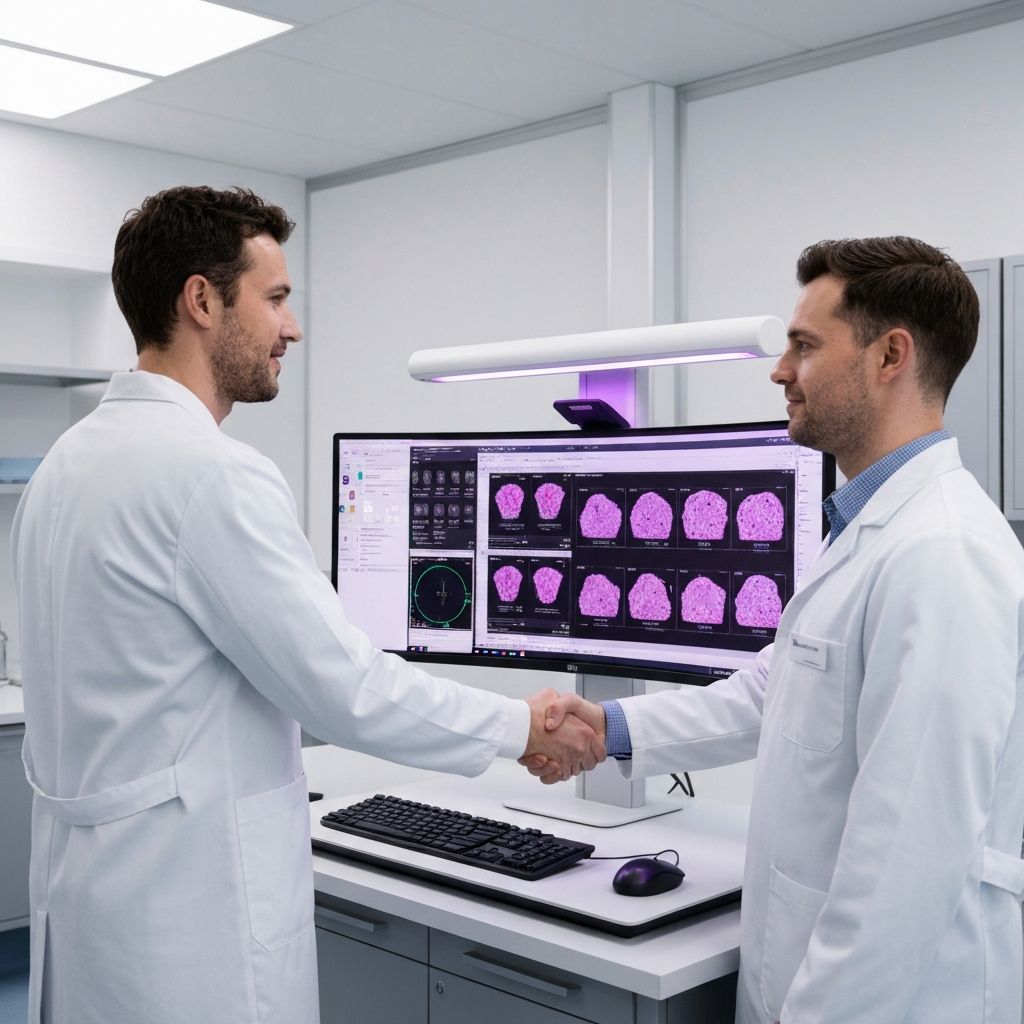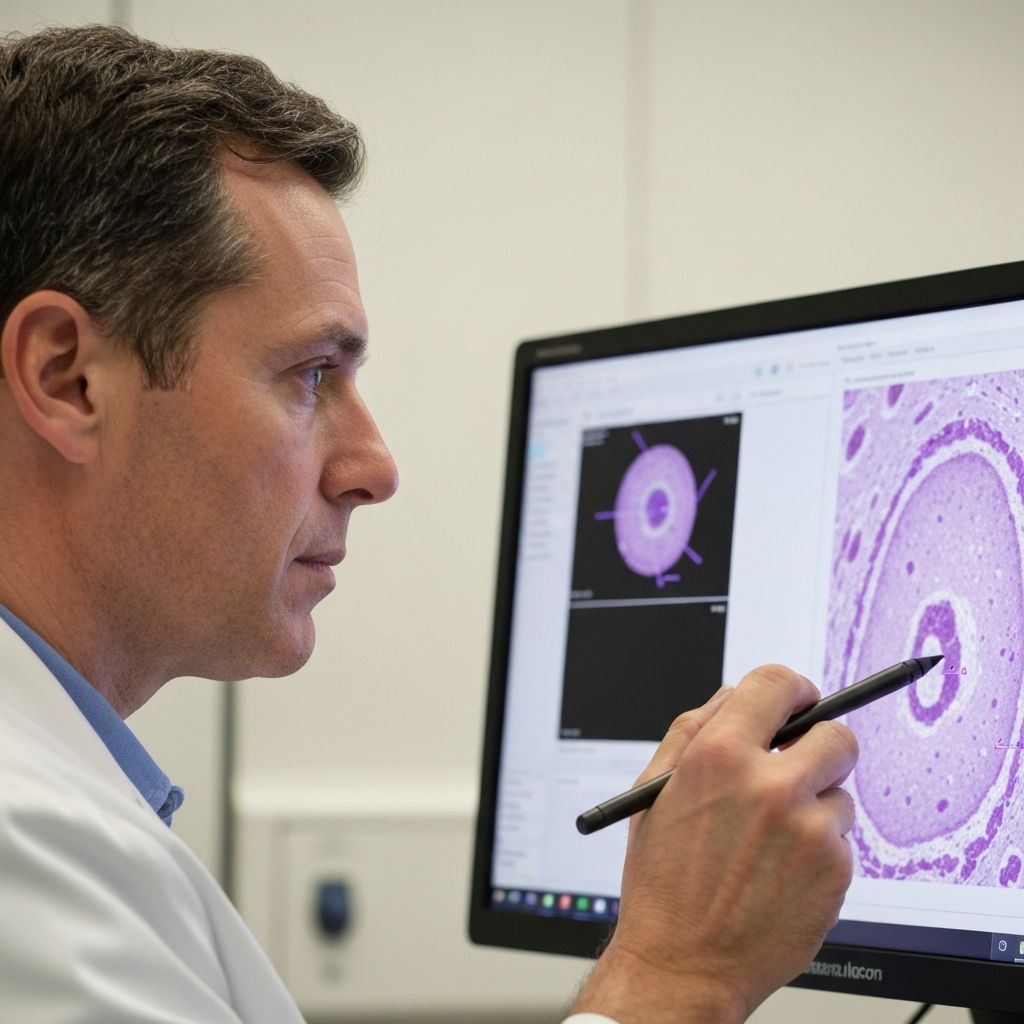
The most useful mental model we have for building pathology AI is not the research-benchmark mindset, and it is not the productivity-tool mindset. It is the second-opinion mindset. A pathologist reviewing a tricky case does not want an autonomous agent. They want a trusted colleague whose judgment they can sanity-check in seconds.
What that implies for the product
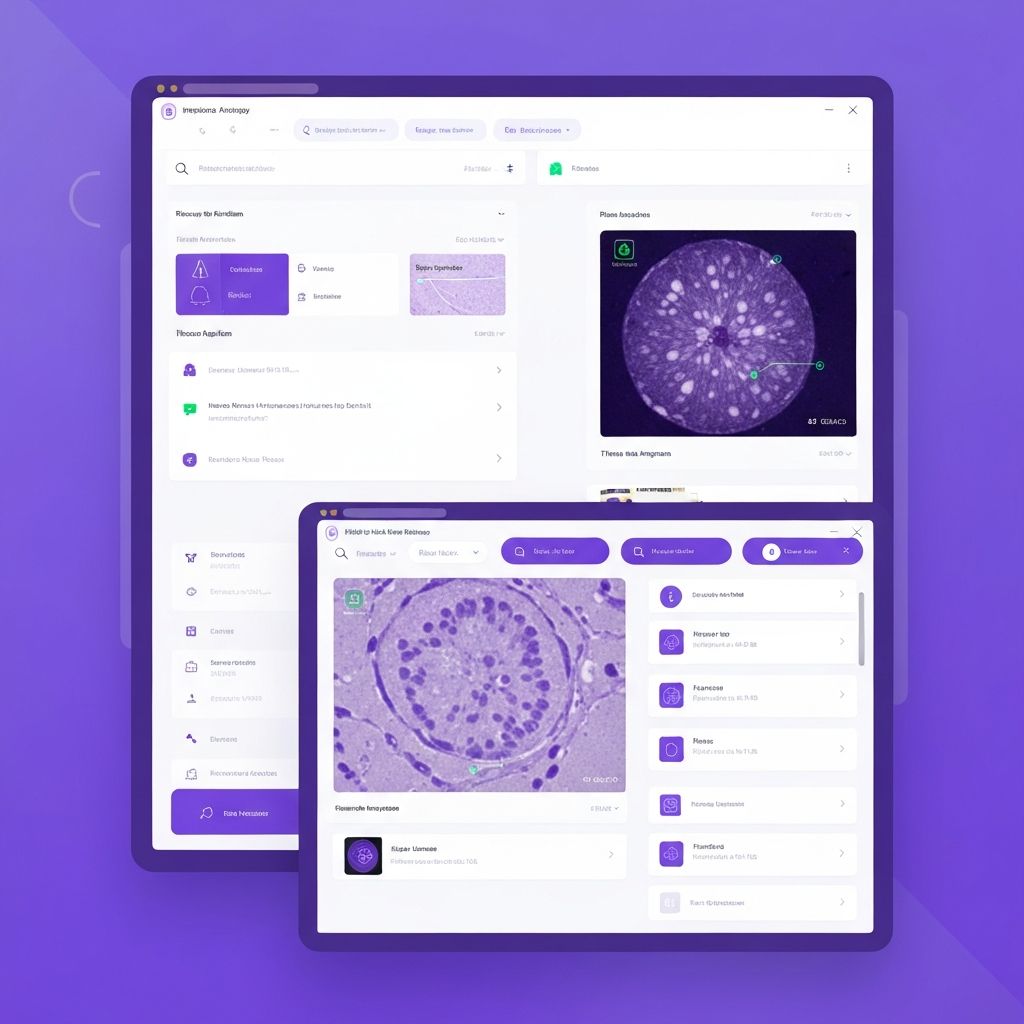
It implies three things that are usually missing from AI tools built by teams without daily clinical feedback. First, every prediction must come with a locally-renderable explanation — a visible region, a visible cellular pattern, a visible quantification — that takes under three seconds to inspect. Second, the confidence signal has to be honestly calibrated; a badly-calibrated 92% is worse than a well-calibrated 76%. Third, the tool must fail gracefully: when the model is out of its depth, it should say so rather than produce a confident-looking answer.
How we know we got it right
Not from benchmark metrics. We know from how pathologists behave after three months of using the tool. If we observe them reaching for the AI suggestion first — and not as a rubber stamp, but as a structured entry point into the case — we consider the design successful. If we observe them ignoring the suggestion, we rebuild, even if the model itself is accurate.
A tool that is ignored is a tool that has failed, no matter what its paper metrics say.
This is why we staff every deployment with a clinical operations lead who sits alongside pathologists during the first month of use and feeds their real behaviour back into the roadmap. The loop is not a slogan. It is a weekly standup.